Introduction
A missing tooth can quietly change the way a person eats but not overnight.
The adjustment may begin with something small:
- A patient stops chewing on the left side because two back teeth are gone.
- Bread is still easy.
- Pasta causes no trouble.
But nuts, raw vegetables, and firmer foods gradually disappear from the plate.
This is one of the less obvious things about tooth loss: people are remarkably good at working around it. They shift food to another area, choose softer meals, slow down while chewing, or avoid certain words when speech feels different.
But adapting to missing teeth is not the same as replacing them.
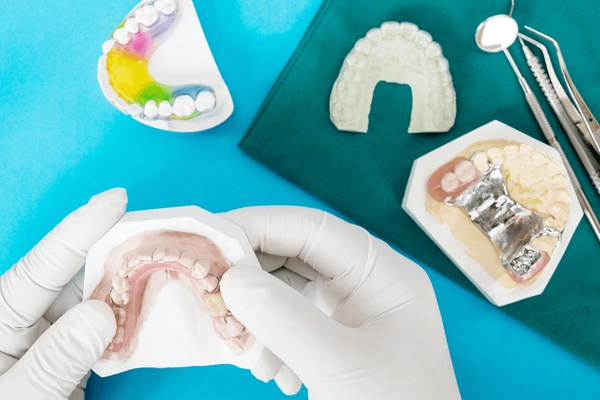
Full and partial dentures are designed for different levels of tooth loss. A partial denture can restore selected gaps while working alongside healthy natural teeth. A full denture replaces an entire upper or lower arch when no functional natural teeth remain in that arch.
In this guide, we will explain how full and partial dentures in Garland, TX, differ, what happens when missing teeth change the way a person uses their mouth, and what patients can expect from the denture process.
Missing Teeth Can Change How You Use Your Entire Mouth
Most people think of tooth loss as a problem of space. There was a tooth. Now there is none. The obvious answer is to fill the gap.
But the effects of tooth loss don’t always stop at the visible gap.
Your teeth are designed to work together for everyday tasks. When some are missing, the mouth finds another way to do the same thing.
Imagine losing a couple of back teeth on one side. You may still be able to eat, but without realizing it, you start moving food to the other side of the mouth. The remaining teeth now have to do more of the daily grinding.
When patients are searching for dentures near Garland, TX, this is the main concept. Replacing teeth isn’t only about the appearance of the smile when the mouth is open. It is also about how the mouth has learned to work with what is not there.
How Does the Denture Process Work?
1. Complete Oral Evaluation
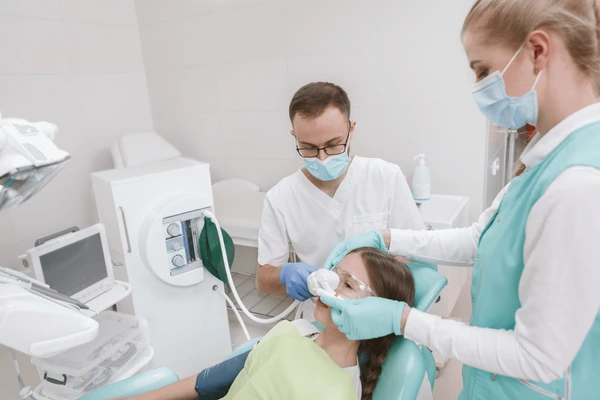
The dentist examines the teeth, gums, bite, and supporting tissues. If natural teeth are present, their condition and long-term prognosis are assessed before developing the denture plan.
2. Choosing the Right Kind of Denture
The pattern of tooth loss may help determine whether a full denture, a partial denture, or another tooth-replacement strategy is appropriate. Oral health and patient goals are also considered.
3. Measurements and observations
You can collect detailed impressions, scans, or other records. These help to create a denture based on the individual shape of the mouth and planned bite relationship.
4. Planning Tooth Position and Appearance
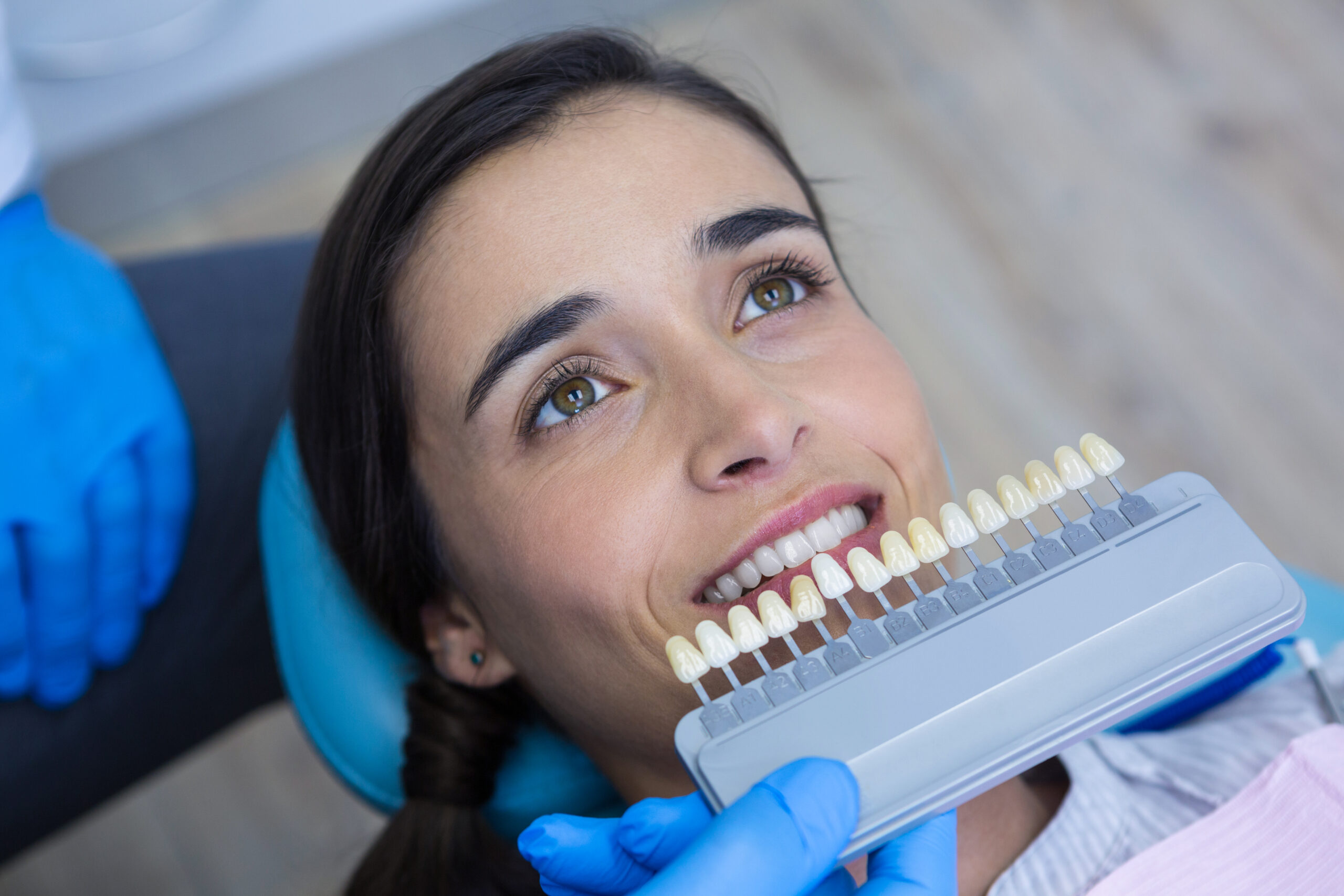
Replacement teeth are selected and placed with an eye to both appearance and function. Factors such as the size, shape, shade and position of the teeth may be considered.
5. Positioning of Dentures
When the denture is complete, its fit and bite are checked. The patient is also instructed in the wearing, removing and cleaning of the appliance.
6. Follow-up & Aftercare
When new and affordable dentures in Garland, TX, are fitted, the mouth gets used to them, and some areas of pressure can develop. Follow-up visits are used by dentists to check on your comfort and make any necessary adjustments.
At A Glance
| Who Qualifies? | Dentures are a great option for individuals with missing teeth. |
| Process Overview | Step 1 The denture treatment starts with a thorough examination at your nearest dentist. Step 2 Following the examination, the dentist will start preparing your mouth for the denture. Step 3 Once placed, they will follow up to ensure the denture fits seamlessly and works as a part of your smile. |
| Timeline | Undergoing denture treatment can take anywhere from a few weeks to months. |
| Aftercare | Follow your dentist’s suggestions on cleaning and maintaining your dentures for prolonged life. |
| Location & Contact | North Texas Family & Cosmetic Dentistry3260 Southern Dr A, Garland, TX 75043, United States |
Benefits of Full and Partial Dentures
Restore Missing Chewing Surfaces
With several missing teeth, patients may have fewer areas to break down food. Dentures replace teeth in those missing spaces. “They don’t work just like natural teeth, and it takes time to adjust, but they help patients get past only using the limited areas that are left.
Help Complete a More Complete Smile
Loss of visible teeth can change the way people smile in conversations and pictures. A full or partial denture replaces missing teeth with a custom set of teeth designed for the individual patient. The shape, position and appearance of the teeth can be considered so that the result suits the broader smile rather than just filling gaps.
Provide Different Options for Different Levels of Missing Teeth
Not every patient missing all of the teeth in one arch is the same as a patient with several healthy teeth remaining. Full and partial dentures deal with these situations differently. This flexibility allows the treatment plan to reflect the actual pattern of tooth loss rather than treating every patient the same.
Can Assist With Everyday Speech
The absence of teeth can change the way the tongue and airflow interact when making certain sounds. Replacing those spaces can bring structure back to the mouth. Patients may still need to get used to speaking with a new denture, but practice is often part of the process of feeling comfortable with the appliance.
Allow Healthy Natural Teeth to Stay When Appropriate
A partial denture can work in conjunction with natural teeth that are suitable to retain. The aim is not to pull healthy teeth to make a complete denture. A complete evaluation will help determine which teeth have a reasonable outlook and how the partial denture will fit into the existing smile.
Denture Care at NTFC Dentistry in Garland
Patients considering dentures rarely arrive with identical needs.
At NTFC Dentistry, denture planning can begin with an evaluation of the patient’s teeth, gums, bite, and current pattern of tooth loss. When natural teeth remain, their condition can influence whether a partial denture or another approach is appropriate.
A personalized evaluation helps clarify what the patient actually needs before comparing options.
The aim is to choose a tooth replacement approach that fits the current oral condition rather than assuming every pattern of tooth loss should be treated in the same way.
FAQs
1. What is the difference between complete and partial dentures?
Full dentures are used to replace an entire upper or lower arch of missing teeth. Partial dentures replace selected spaces, but proper natural teeth are still there. The choice will depend on the pattern of tooth loss, condition of remaining teeth, oral health, and individual treatment needs.
2. How long do dentures last in Garland, Texas?
Many dentures can last five to ten years, but it varies from patient to patient. Normal wear and slow changes in the mouth can affect fit over time. Regular dental check-ups help you decide when you might need to consider adjusting, relining, repairing, or replacing.
3. How much do dentures cost in Garland, Texas?
The price of dentures in Garland, TX varies depending on whether you need a full or partial denture, the materials used, the complexity of your case, and whether you require any previous treatment.
4. Is it possible to eat normally while wearing dentures?
There is typically an adjustment period when eating with new dentures. Patients can start by eating softer foods, taking smaller bites and chewing carefully, then slowly expand their choices.
5. How do you know if you need full or partial dentures?
If there are healthy natural teeth around the missing space, partial dentures may be considered. Complete dentures replace an entire arch of teeth when all teeth are missing, or the remaining teeth can not be predictably maintained.
Conclusion
People adapt to missing teeth more easily than they sometimes realize.
Full and partial dentures offer different ways to restore what has been lost. A full denture replaces an entire arch of teeth. A partial denture fills selected gaps while working alongside natural teeth that remain.
The distinction is important, but so is the larger purpose behind treatment.
If you are exploring full and partial dentures in Garland, TX, the right starting point is a thorough evaluation of your oral health with our experts at North Texas Family & Cosmetic Dentistry. Book a call today!